Use Cases

WordPress Event Plugin Use Cases

The strongest SEO pages in this category are often not generic feature pages. They are pages that talk directly to a real operator with a real workflow. This hub collects the WordPress event plugin use cases where NexDirectory has the clearest product-market fit: organisations that need recurring publishing, rich archive pages, audience-friendly discovery, and an operating layer for submissions, moderation, tickets, claims, or analytics.

Content tailored to real event operators Strong fit pages for long-tail SEO Clear internal paths into guides and migrations
Use-case driven interfaceWordPress Event Plugin Use Cases
Why these pages work They match search intent more closely than broad “features” pages and convert better because the reader feels understood.
Where they help most Agency proposals, stakeholder buy-in, organic acquisition, and site architecture planning.
What they connect to Every use-case page should link to setup guides, comparison pages, and the free trial.

Use-case pages translate features into operational outcomes

Most event plugin websites talk about maps, calendars, tickets, and widgets as if those things explain the whole product. Buyers rarely think that way. They think in terms of workflows: how they will publish dozens of festival sessions, how speakers will be surfaced on conference pages, how department admins will submit university events, or how community organisers can add events without creating backend chaos. A use-case page bridges that gap by turning product capability into a believable operating model.

This matters for authority because niche searches are often where credibility compounds. When NexDirectory has a page specifically for nonprofit event teams or community calendars, it signals product maturity and domain fluency. Those pages can then point back to shared guides on schema, front-end submissions, imports, and SEO, creating a topic cluster that is both broader and deeper than a typical plugin site.

Better message-market fitEach page can talk about the terms, constraints, and KPIs that matter to that audience.
Cleaner internal linkingUse-case pages naturally connect to guides and comparisons that solve adjacent problems.
Higher conversion qualityThe readers arriving through these pages often already know the shape of the project they want to build.
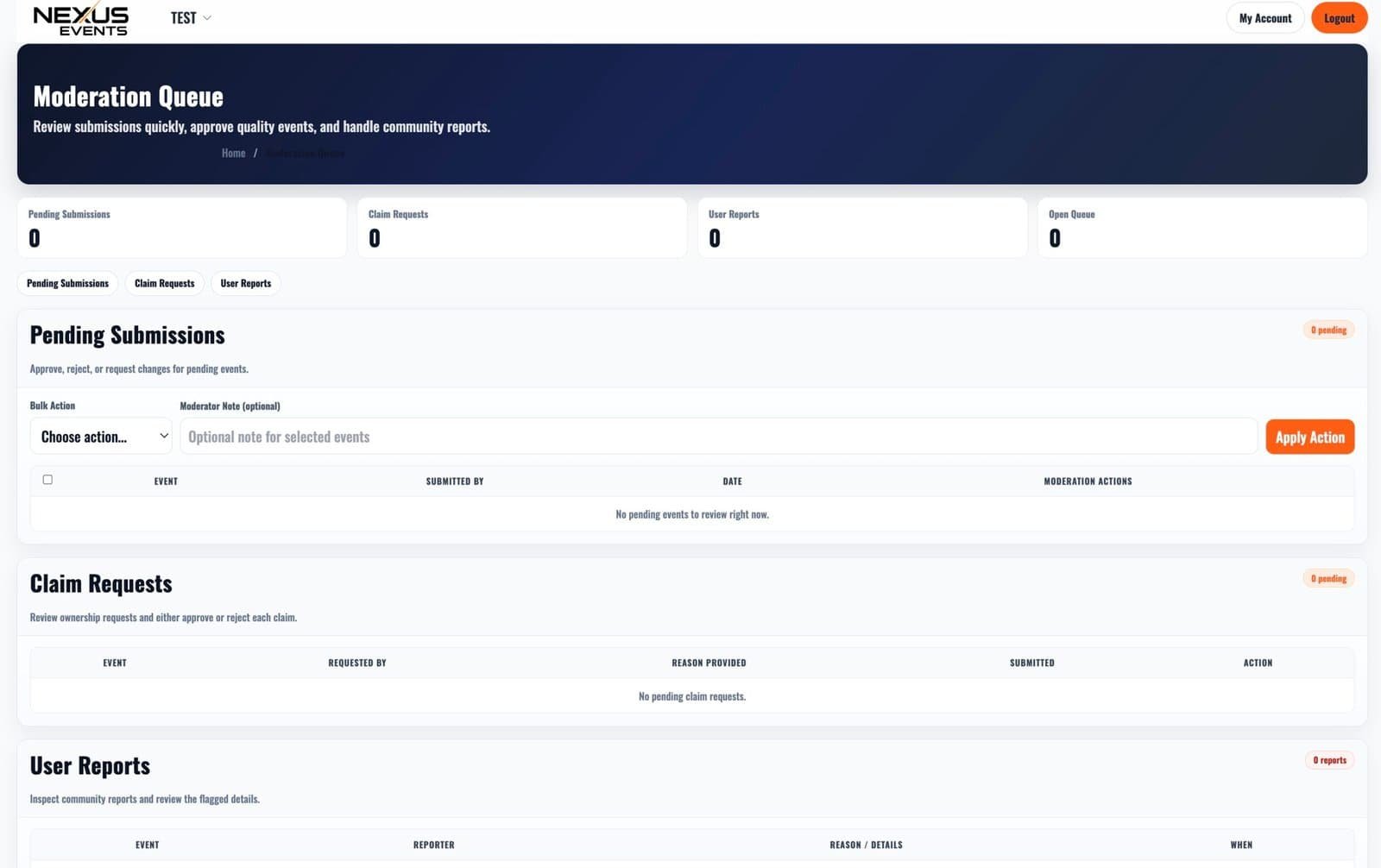
Front-end submissionUse-case pages translate features into operational outcomes
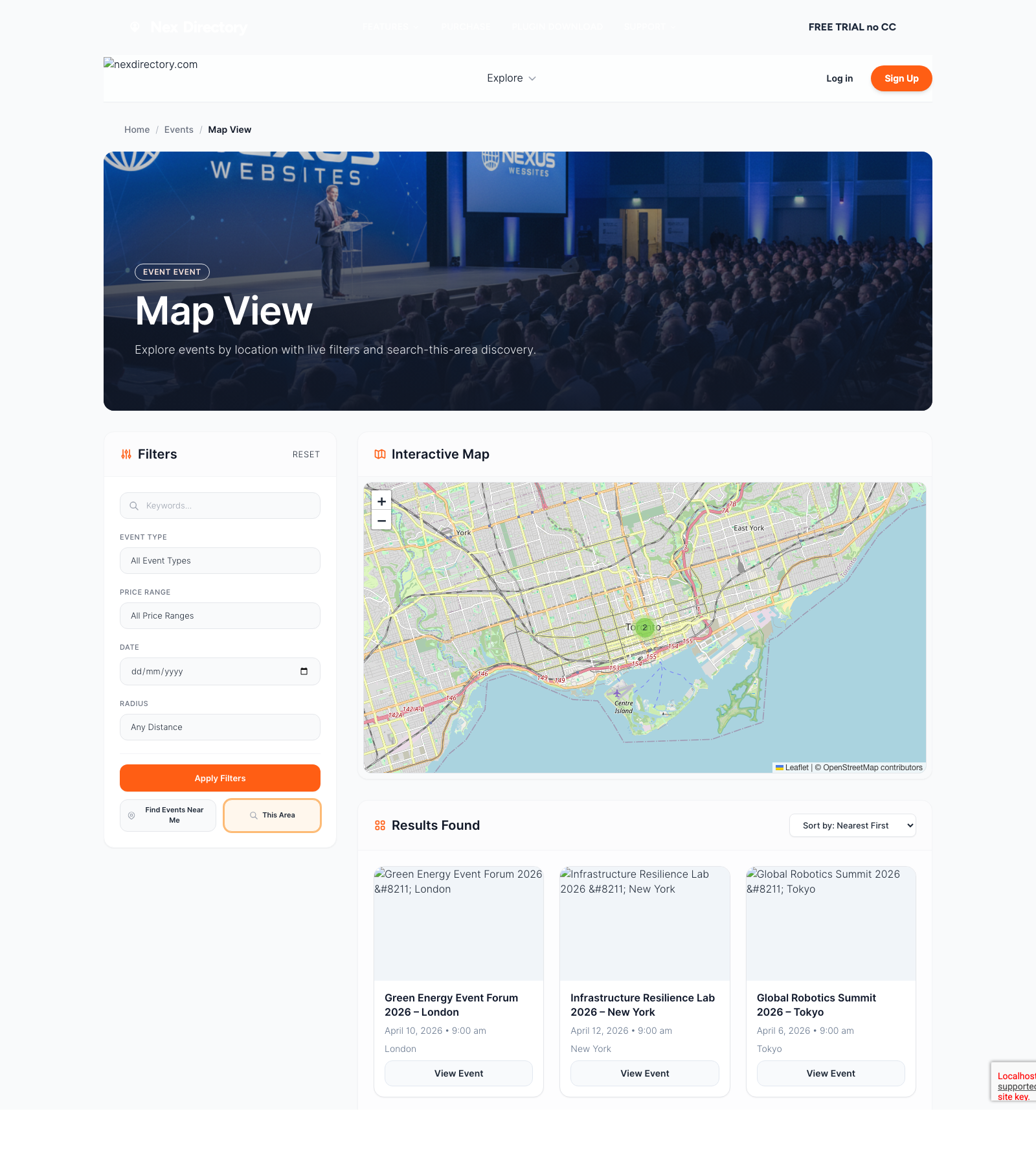
Unified operator viewWhy NexDirectory performs well across multiple event models

Why NexDirectory performs well across multiple event models

NexDirectory is unusually suited to use-case marketing because the product is not locked to a single publishing pattern. You can run a tightly controlled editorial calendar, a moderated community submission system, a directory of imported events, or a ticket-driven event brand with organiser accounts and venue content. That flexibility means the same core engine can legitimately serve very different audiences without the copy feeling forced.

Use-case pages are also a practical place to show how the plugin adapts to different data structures. Conferences care about speakers, schedules, tracks, and registration. Community calendars care about broad participation, moderation, and discoverability. Churches care about clear recurring rhythms, ministries, and volunteer-friendly editing. A strong use-case page should surface those distinctions, then show how the plugin handles them without turning the reader into a systems integrator.

Entity-rich publishingEvents, organisers, venues, and related pages can all carry their own meaning.
Workflow flexibilitySingle-organisation sites and community-powered sites can both live on the same stack.
Monetisation pathsPaid tickets, boosts, and claims can be layered onto use cases that actually justify them.

How this hub supports topical authority

Topical authority is usually built by covering the same core subject through multiple valid lenses. In this case, the subject is running event platforms on WordPress. The lenses are use cases, migrations, implementation guides, comparisons, and supporting glossary content. This hub acts as the entry point for the use-case layer, and every child page reinforces the idea that NexDirectory understands the category at the level of day-to-day operation, not just design.

For that reason, the best use-case pages avoid fluff. They should include concrete pain points, realistic implementation guidance, references to live product areas, and clear routes to related pages. Done properly, they strengthen both organic reach and sales enablement because the same article that ranks for a niche query can help an internal champion explain why the site should be built a certain way.

Long-tail keyword coverageEach page can target a specific audience and a specific problem shape.
Authority reinforcementThe more adjacent scenarios you cover well, the stronger the whole category footprint becomes.
Sales supportProspects can share use-case pages internally as shorthand for what the build should do.
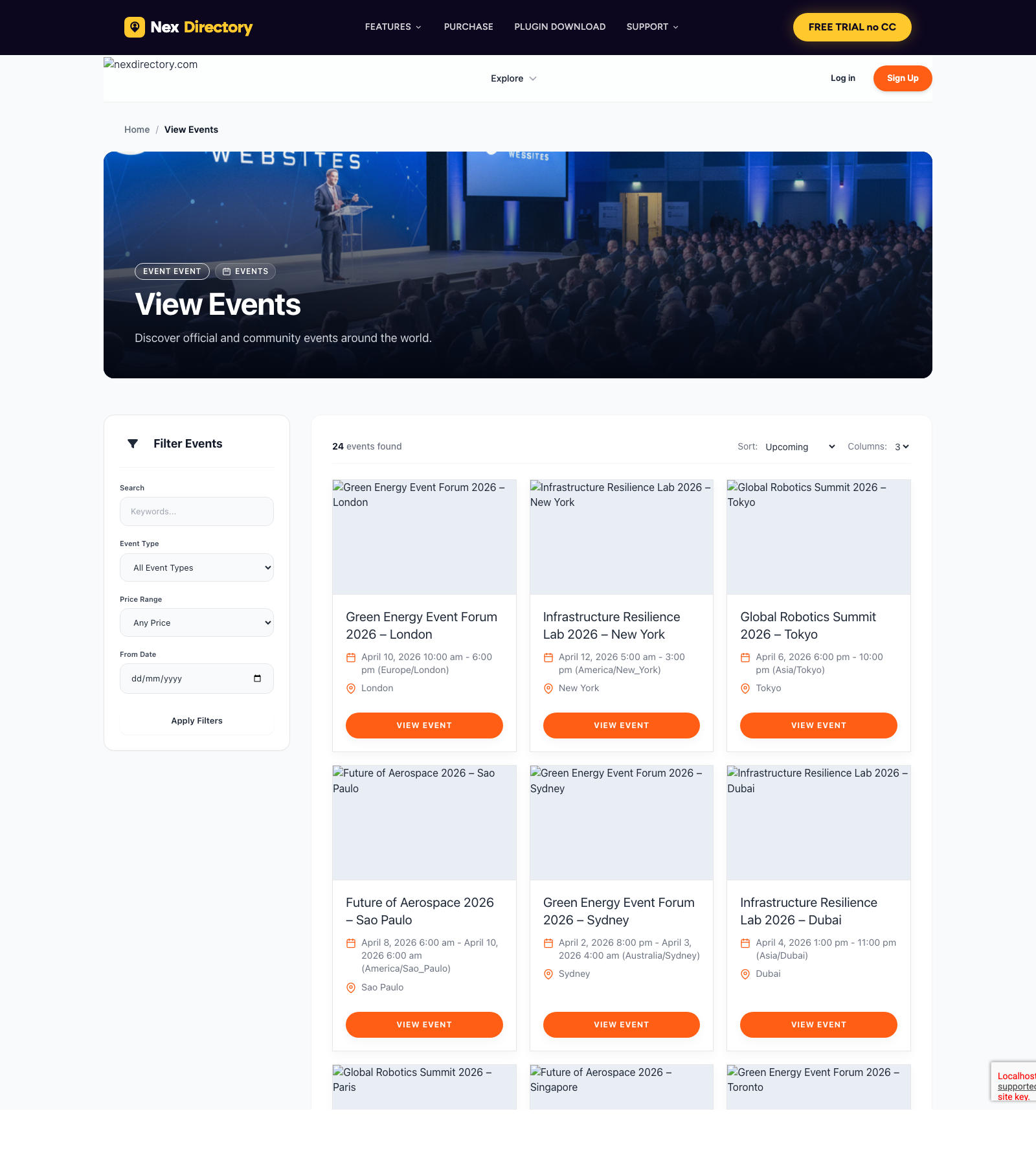
Discovery experienceHow this hub supports topical authority

Questions people ask before they commit

These hub pages are designed to capture broad discovery intent, but they should still help real buyers self-qualify quickly.

Why do use-case pages often rank better than generic feature pages?

Because they map more closely to the language and constraints the searcher already has in mind. “Event plugin for universities” is a very different search from “event plugin features.”

Can one plugin genuinely serve these different audiences?

Only if the underlying architecture is flexible. NexDirectory is strongest here because it combines core event workflows with front-end routing, moderation, imports, and profile entities.

Should every use-case page have screenshots?

Yes. It makes the content feel grounded and shows that the plugin can actually express the workflows being described.

Publish the use-case pages that make NexDirectory feel category-native.

NexDirectory combines event pages, organiser and venue entities, front-end submissions, moderation, imports, maps, and monetisation so you can publish long-tail content and still run the business side of the site from one plugin.